Understanding Options Trading 101
Options have now become a mainstream product. Once used mainly for hedging, the introduction of options contracts on retail trading platforms has led to the rise of...
Options let you take a multi-day view on a stock or an index with less capital and a defined maximum loss. They also add two costs that a stock position does not have: time decay and a changing volatility premium.
Both of those work against you on every day you hold. Swing trading options is therefore mostly a question of choosing contracts where those costs are small relative to the move you expect.
A day trader can buy a short-dated option and be out before decay matters. A swing trader cannot. Every day you hold, the option loses a little time value, and that loss accelerates as expiry approaches.
Implied volatility matters just as much. If you buy when implied volatility is already elevated - often right before an event - you are paying for movement that may not arrive, and the premium can fall even if the underlying moves your way.
Delta tells you roughly how much the option moves per unit of underlying movement. A deep in-the-money call with a delta near one behaves much like the stock, with less capital tied up and a smaller time premium at risk.
Further out of the money, delta falls and the time premium rises, which means more of your money is exposed to decay and to volatility repricing. That is a deliberate choice, not a default.
The rule of thumb is to buy more time than you think you need, because the plan rarely takes exactly as long as expected. Expiration week is a poor time to open a new swing position - the time premium is leaving fastest just as the position needs room to work.
Our archive covers this directly in Trading Options Expiration Week Isn't Awesome and in Trading Options Spreads.
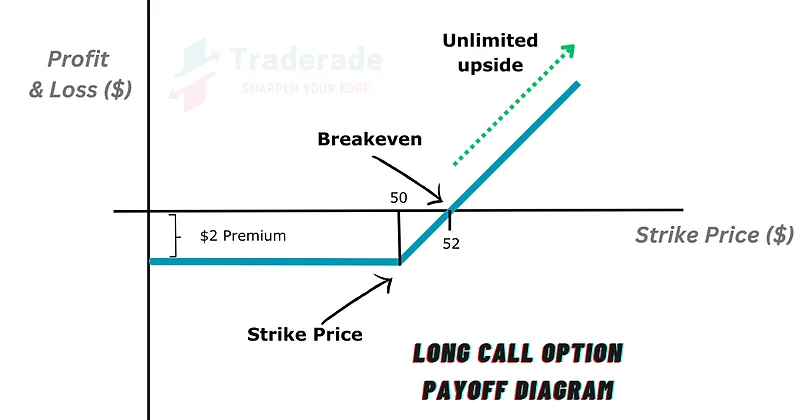
A long call or put is simple and has a defined maximum loss, but you pay the full time premium and you are long volatility. A spread sells some of that premium back - it lowers the cost and reduces the volatility exposure, at the price of capping the upside.
Selling premium rather than buying it flips the decay in your favour, which suits a multi-day hold. The cost is that the risk profile is different: you are now exposed to a large move against you rather than to a slow bleed. The wheel is one structured way to run that.
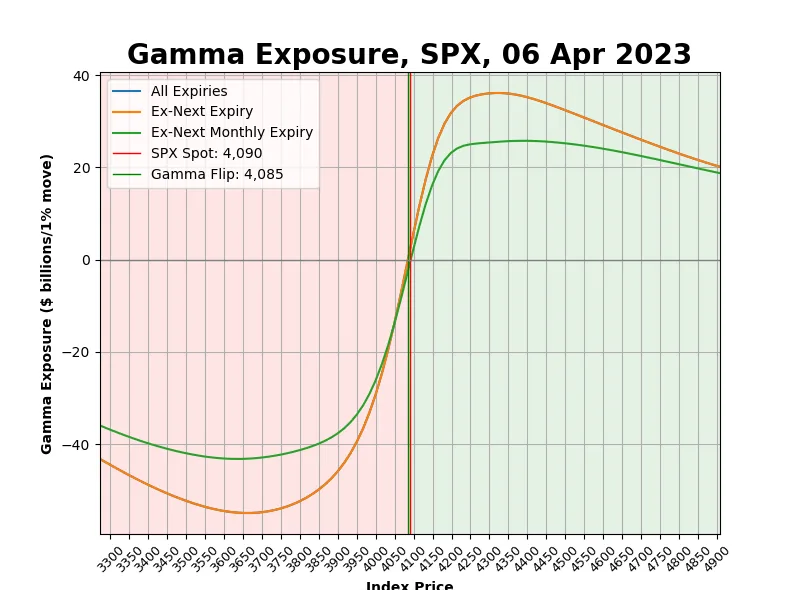
Index options - SPX in particular - are where dealer positioning becomes visible in the market itself. Large concentrations of open interest at round strikes affect how the index behaves into expiry, which is useful context for any swing position in the index or in its largest constituents.
Our Options Viz tool shows that positioning live, and the archive covers the mechanics in SPX Gamma Exposure and the SPX 0DTE saga.
Yes, but the multi-day hold means time decay and volatility changes work against you the whole time. Buying more time than you expect to need, and avoiding elevated implied volatility, is most of the battle.
More than your expected holding period, with a margin. Opening a swing position in expiration week means paying the fastest part of the decay curve.
Neither. Direction is a separate decision from instrument. What matters for a multi-day hold is delta, time remaining and the implied volatility you paid.
Theta is the value an option loses to time each day. It is small for long-dated contracts and accelerates near expiry, so it is the main cost of holding an option position for days.
Brokers tier options permissions. Long calls and puts are usually the lowest tier; spreads and selling premium need higher approval.
Options have now become a mainstream product. Once used mainly for hedging, the introduction of options contracts on retail trading platforms has led to the rise of...
Options are financial derivatives that grant the holder the right, but not the obligation, to buy or sell an underlying asset at a predetermined price before or on a...
The Options Wheel strategy, also known as the Triple Income Strategy or the Sell-Put-Sell-Call strategy, is an approach in options trading that aims to generate...
One of the biggest mistakes I see newer options traders make is to run strategies that are long-only. A long call or a long put, rather than a spread. That's not to say...
Implied volatility is a measure of the expected volatility of an underlying asset, and it is an important metric when pricing options strategies. The calculation of...
Understanding the S&P 500 Index (SPX) gamma exposure across the entire options chain is crucial for market participants to gain insight into dealer positioning and its...
Trade ideas, cutting edge indicators, live futures streams, real-time market news and a community of traders who share what they learn.